Points Expire, and Customers Leave: Why Traditional Loyalty Mechanics Fail in the Premium Segment
Every loyalty program is built around one simple idea: tangible value. A discount, cashback, complimentary services — in other words, savings you can clearly calculate.
But in the premium segment, these familiar mechanics begin to break down. Here, value is measured differently: through a sense of belonging, the exclusivity of status, and emotions that cannot be converted into points.
Premium Customer Segments: Loyalty Beyond Financial Rewards
Premium loyalty operates by entirely different rules than mass-market retention. By 2026, market leaders are steadily moving away from the old “points for purchases” formula. Loyalty is shifting from rational benefits toward emotional attachment.
Different segments of premium audiences respond to different triggers, yet they are united by one core principle: non-financial value matters more than monetary gain.
The key drivers of premium loyalty today are:
- Belonging — the desire to be part of a distinctive circle and have one’s status recognized.
- Emotion — memorable experiences worth repeating and sharing.
- Care — the delegation of routine tasks and the anticipation of needs before they are spoken aloud.
- Growth — the opportunity to evolve alongside the brand itself.
A premium customer is not looking for another discount. They seek a feeling of connection. The brand becomes a natural extension of everyday life.
Status Ladders and the Fear of Losing Them
Banks were among the first industries to develop sophisticated loyalty systems, revealing both the strengths and the limitations of these mechanics.
The Status Ladder
At its core lies a deeply human desire: to belong to an exclusive group. Banks capitalize on this instinct by creating tiered hierarchies. The higher the status, the greater the privileges — and the more visible one’s position among peers.
For years, institutions like Sberbank and T-Bank based premium tiers primarily on assets under management: the more money held in accounts, the more benefits clients received — airport lounges, personal managers, priority service.
Today, however, the market is evolving beyond a single metric. Status increasingly depends not only on accumulated wealth, but also on lifestyle behavior: monthly spending, salary inflows, transaction history. Customers appreciate when a brand remembers the broader relationship, not merely the balance sheet.
For example, Gazprombank offers several pathways into its premium segment. Clients may qualify through high account balances, a combination of balances and spending, premium salary deposits, or simply elevated monthly card usage. Depending on the chosen route, benefits may include airport lounges, private transfers, fitness memberships, or wellness platform rewards.
Promsvyazbank follows a similar hybrid approach, combining savings thresholds with transactional activity.
In practice, nearly every major bank now evaluates a mix of criteria: spending patterns, salary behavior, account balances, and engagement within the ecosystem. The status ladder is no longer a unique feature — it has become an industry standard designed to encourage higher capital placement and increased spending.
Its main advantage is obvious: customers become deeply anchored inside the ecosystem. Once accustomed to a certain level of service, they no longer choose between competing banks — they choose among products within the same familiar system.
The Fear of Loss: Loyalty as an Endless Race
This mechanism is closely tied to status hierarchies but adds emotional tension: everything accumulated can disappear the moment the customer stops meeting the required conditions.
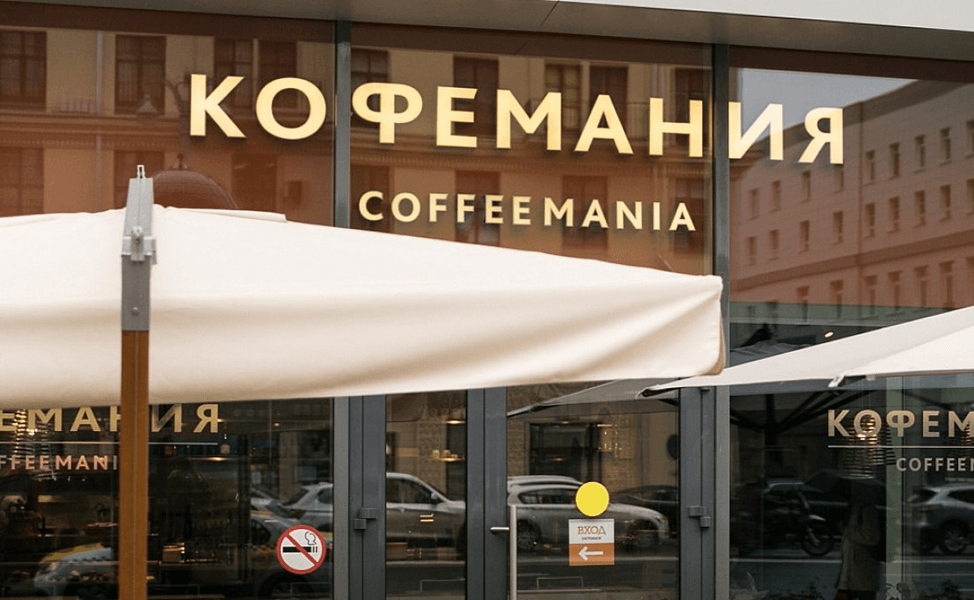
At Coffeemania, for instance, maintaining the “Regular Guest” tier requires at least fifty purchases per year with a minimum spend threshold. Loyalty points expire after 180 days, and after a year the entire cycle resets.
The problem is increasingly clear: customers grow exhausted by the constant pursuit of rewards. Many never enroll in such programs at all; others disengage at the first opportunity.
This fatigue explains a growing industry trend: moving away from mechanics that turn pleasure into obligation.
Gamification: Achievement Hunters and Digital Worlds
Gamification entered business from online gaming culture, where users willingly spend money on unique avatars, digital badges, achievements, and virtual status symbols. These mechanics are powerful dopamine triggers.
The formula is simple: spend little and remain a novice; spend more and rise through the ranks; become highly engaged and reach elite status. Some systems even allow users to skip levels through achievements or purchase accelerated progression.
Add collectible rewards and surprise mechanics, and customers quickly transform into collectors.
A compelling example comes from Russian publishing house Mann, Ivanov and Ferber, which designed its loyalty program as an evolutionary journey — from primitive being to modern human. The reward for advancement was not a discount, but a complimentary book.
Banks have embraced similar strategies:
- “Spasibomania” by Sberbank
- “Tinkoff Monopoly” by T-Bank
- “Stock Alchemy” by Alfa-Bank
Marketplaces are joining the race as well. Ozon introduced “Fortunata,” a lottery-style mechanic where customers purchase tickets with loyalty points and participate in prize draws. The system cleverly converts accumulated points into entertainment itself.
Yet gamification has a shelf life. After three or four months, novelty fades. Brands must continuously introduce new scenarios, rewards, and mechanics; otherwise, customers migrate toward whichever competitor offers the next engaging experience.
Ironically, the very levels designed to motivate users increasingly become barriers. To preserve excitement, brands now rely heavily on lottery-style unpredictability, where surprise itself becomes the product.
Digital Status: When Status Becomes the Product
Modern loyalty programs are increasingly built around a fascinating idea: the customer’s status itself becomes the core product.
This phenomenon is most visible in gaming and betting industries, but it is gradually spreading elsewhere.
A striking example is Pari and its “Pari Secret” program. To access the private club, users must maintain exceptionally high weekly betting turnover. In return, they receive luxury travel experiences, premium accommodations, and dedicated concierge-level service.
The betting activity itself becomes secondary. The true product is access to a closed world of privileges.
This reveals one of the defining paradoxes of modern premium culture: the higher the status, the less it relates to the original product.
Customers ultimately pay for exclusivity, identity, and entry into a world inaccessible to the majority.
In digital environments, this manifests through animated avatars, exclusive profile frames, and collectible digital trophies that carry no functional utility but communicate prestige.
From Scattered Services to a Unified Status Ecosystem
Customers no longer want to manage separate statuses across dozens of applications. The next stage of evolution is integration: finance, services, privileges, and content woven into one seamless ecosystem.
Only then can customers maximize benefits while becoming true architects of their own lifestyle.
When loyalty to a bank automatically unlocks privileges in transportation, hospitality, dining, wellness, and cultural experiences, a genuine status ecosystem emerges — one that functions almost invisibly in the background.
The Trends Defining 2025
1. Emotional Anchors Instead of Dry Service
Alfa-Bank installed a five-meter cocktail-serving duck in Bodrum, Turkey. Gazprombank launched cashback-supported events at Gazprom Polyana resorts. Premium banks are investing more heavily than ever in memorable experiences.
2. Human Connection Matters More Than Automation
Yandex Go trained its Ultima drivers in emotional intelligence at Skolkovo Institute of Science and Technology. The result: 86% of rides received the highest customer rating.
In the age of AI, soft skills are becoming a luxury advantage.
3. Local Adaptation Replaces Universal Templates
Zenit Bank launched Islamic banking products built around interest-free principles. Premium positioning is shifting away from exclusivity alone and toward inclusivity and respect for customer values.